A city is a habitat whether the planning scheme admits it or not. We removed the forest, piped the creek, lit the night, and then populated the leftovers with bins, fruit trees, roof cavities and a sentimental idea that wildlife should be visible but not inconvenient. Possums took the roof. Flying-foxes took the figs. Snakes took the mice that took the compost. Ibis took the oval and the bin. None of this is a failure of the animals. It is a map of what we offered.
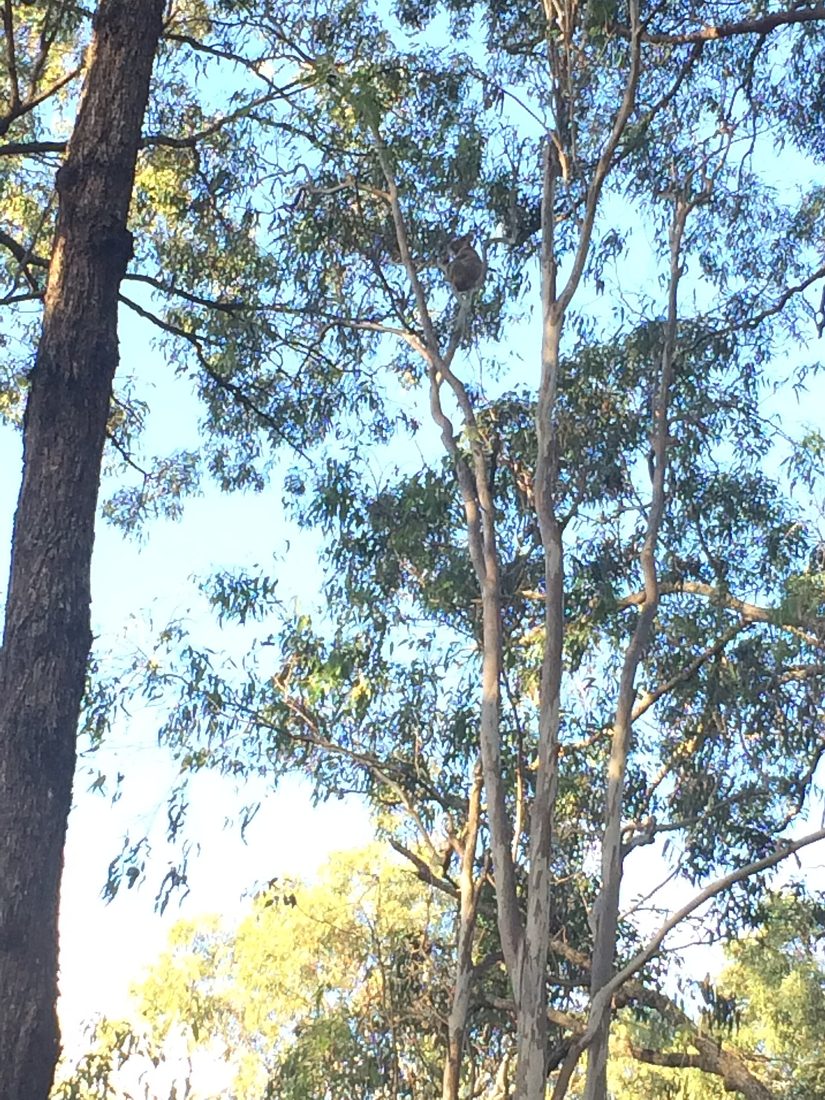
The trap is not always a wire. It is a yard that looks kind and behaves as a hazard: a pool without an exit, a fruit net that does not tear, a second-storey deck with a bowl of scraps, a fence a flying-fox cannot climb out of, a shed full of rodenticide. Living with urban wildlife is a set of manners, not a personality. The koala version of those manners — dogs, cars, the corridor that is actually a sequence of trees — is written separately in koala habitat and the backyard corridor. This essay is the rest of the night shift.
Possums, who were here first
The common brushtail in a roof is the Australian tenancy dispute that never ends. The animal is not a rat with better public relations. It is a nocturnal marsupial that found a hollow we replaced with tiles. Exclusion works. A one-way flap, a repaired eave, a chimney cap, the hole closed after the possum has gone out for the night: these are the jobs. Poison and a cricket bat are how people meet a cruelty provision and a very angry neighbour.
A nest box, placed in a tree well away from the roof, is an offer, not a guarantee. Some possums will use it. Some will prefer the ceiling. Feeding on the deck so they "stay outside" is how you advertise a pantry to every possum in the street and concentrate droppings, parasites and arguments. Fruit left in a bowl is not hospitality. It is a management failure with a story attached.
Ringtail possums suffer when a "tidy-up" removes the midstorey. A yard that is only lawn and a specimen tree has evicted the ringtail and kept the brushtail in the roof. If you want the cute one, you keep the thicket.
Flying-foxes, who will not accept a meeting
Grey-headed flying-foxes in the south-east, black flying-foxes further north, little reds that arrive in a noisy mob: these are protected animals with a public-relations problem. They smell, they shout, they sit in the school figs. They also pollinate and move seed across a city that no longer has a continuous canopy. A camp is not a visitation. It is a city using a remnant.
Households do not disperse a camp. Noise, lights and a garden hose are illegal in most jurisdictions and useless in all of them. Do not leave a fruit tree netted with mesh a thumb can push through. Wildlife-safe netting is taut, visible, and of a gauge that does not catch a claw. A flying-fox on a barbed fence or in a loose net is a rescue job. If you find animals panting low in a tree on a bad day, call the groups that already have a protocol. Do not spray a camp with a hose. You can drown a pup and scatter a colony into powerlines. People who bought under a camp that was already mapped have a grievance with a real-estate sentence, not with the species.
Snakes, who are not a metaphor
A snake in an Australian suburb is ordinary. Eastern browns, red-bellies, tigers, pythons: the list is local and worth learning before the panic. Most snakes in a yard are passing through or following mice. They are not a message. Long grass, sheet iron, a compost that is a rodent hotel: these are invitations. Rodenticide is how you poison the snake, the owl and the neighbour's dog at one remove.
If you see a snake, leave it a path out. A licensed catcher is a real profession; a brave uncle is not. This journal will not offer first-aid theatre. Know the local emergency number, which is information a clinic can give you once, calmly, in winter. The same water that draws frogs draws what eats frogs. That is a reason to look before you reach into the filter, not a reason to concrete the yard.
Ibis, bins and the bird we decided to hate
The Australian white ibis — bin chicken to a generation that thinks the nickname is analysis — did not invent landfill. We did. When inland wetlands failed in drought, coastal cities offered ovals, ponds and an endless buffet of poorly closed rubbish. The bird accepted. It is not a pest in the ecological sense. It is a wetland species using a substitute wetland.
A bin with a latch, a picnic that does not leave a bag, a compost that is not an open protein dump: these reduce the buffet. Harassment does not. Councils that oil eggs in a colony are doing population work that a householder cannot copy and should not try. The hatred is out of proportion to the harm. Ibis do make a mess. So do people. The mess that reaches a creek — the chicken bone, the wet wipe, the torn bag — is the same first-flush problem written in urban creeks and the stormwater we pretend is gone. The bird is visible. The grate is not.
Feed an ibis and you have trained a flock. The kind thing is a closed lid.
The yard that looks kind and is not
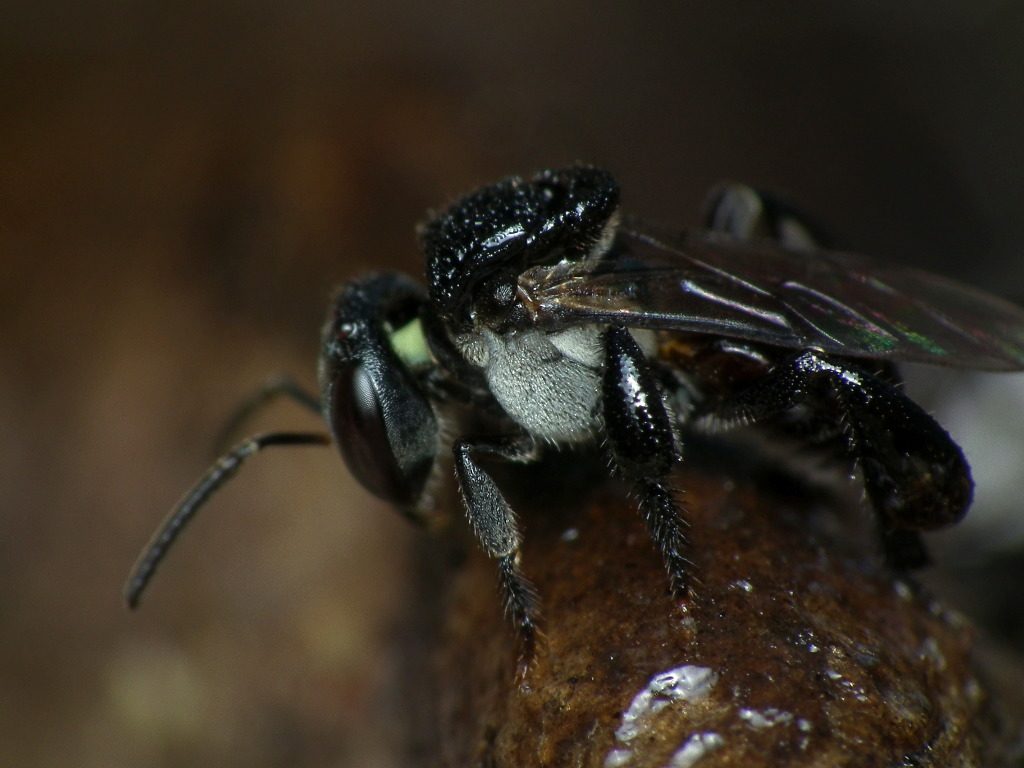
Netting is a frequent killer. So is fishing line on a fence, and a pool with smooth sides and no ramp for a possum or a lizard that came for water. A simple plank is a cheaper ethic than a funeral in the skimmer box. Rat bait is a slow poison moving up a chain. The backyard that also wants native bees has to stop fogging the dusk as if the suburb were a hospital theatre; that argument continues in native bees and the habitat a backyard can actually offer. Kindness that is only aesthetic — a bowl of milk, a "rescue" of a fledgling waiting for a parent — is how carers fill freezers with the results of help.
WIRES, and the number on the fridge
WIRES in New South Wales, and the equivalent networks in other states, are trained people with a crate, a towel and a Tuesday night. They are not a department with a van on every corner. Put the local number where you can find it. Describe the animal, the place, and whether a dog is still in play. Do not handle flying-foxes or bats; a vaccinated carer is the person who touches the wing. Pay the group if you use it. Do not dump a healthy juvenile at a shelter because it walked through the kitchen. A possum in a kitchen is an exclusion problem. A bird on a sill may be a fledgling whose parents are shouting from the fence.
You will not persuade a flying-fox to prefer a different suburb, or make an ibis polite. You can stop offering food, poison, drowning and entanglement. The rest of Wild Neighbours is habitat, weeds, bees and the species that will not come to the deck. A yard that is not a trap is a modest, daily offer. It is also rarer than the birdbaths suggest.